
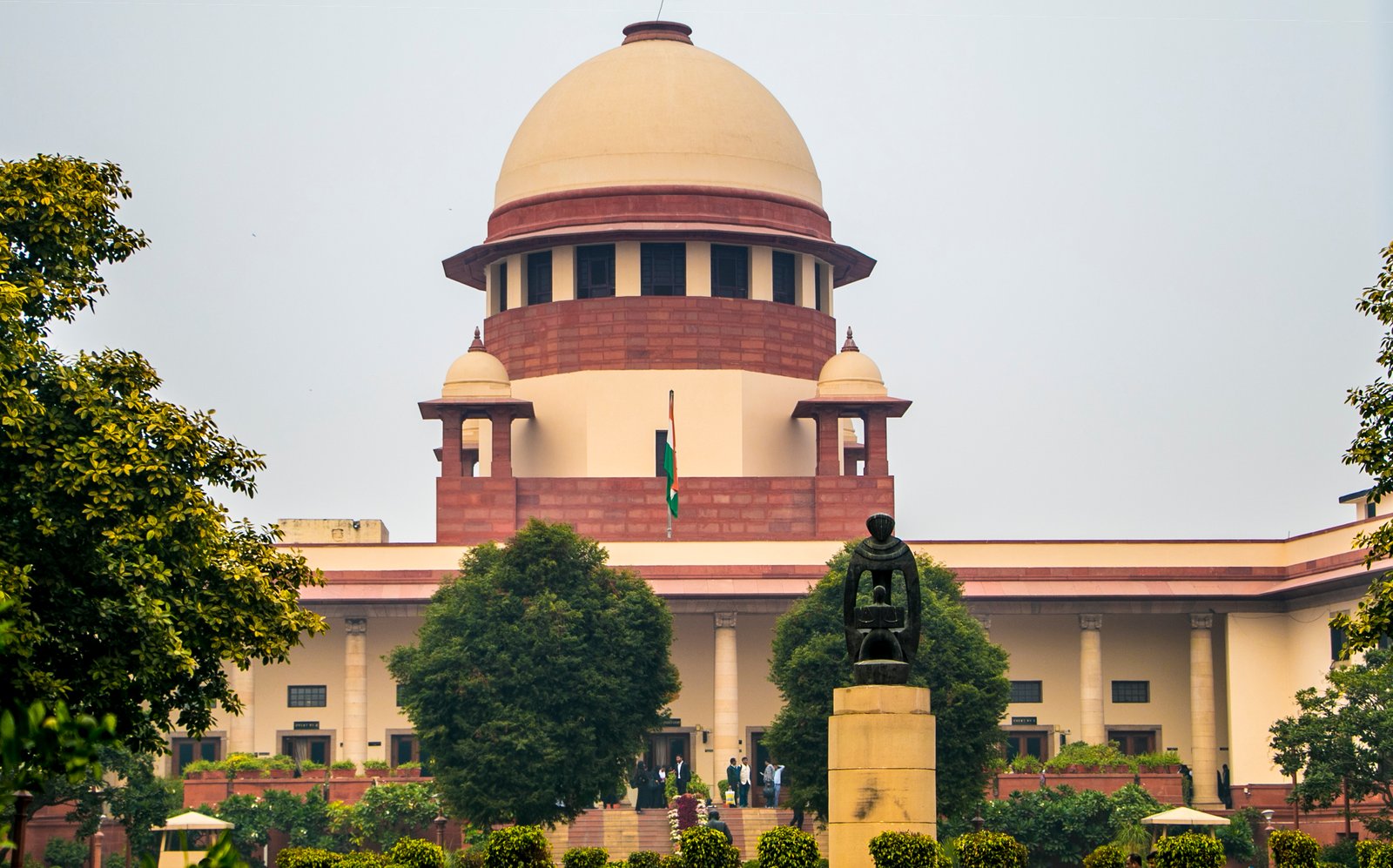
The Supreme Court on 23 November directed West Bengal's election appellate tribunals to hear appeals from voters removed during the Special Intensive Revision (SIR) before taking up objections to names that remain on the rolls. The case was listed in the Chief Justice's Court that day as Mostari Banu versus the Election Commission of India, while multiple contemporaneous court reports describe the directions. The bench was led by Chief Justice Surya Kant alongside Justices Joymalya Bagchi and V Mohana. 1 2 3 4
The tribunals were instructed to divide pending cases into two groups: appeals seeking restoration of deleted names, and challenges against the inclusion of particular voters. The second group can be deferred for the time being. This is a decision about the order in which cases should be heard, not a blanket judicial finding that every previously deleted person must automatically be restored to the rolls. 2 3 5
The scale of the backlog makes sequencing consequential. Figures reported from the Election Commission's submissions show approximately 38.31 lakh appeals, including 22.21 lakh seeking restoration of deleted names and 16.10 lakh questioning inclusions. The figures represent competing categories of proceedings, not a count of people whom the court has determined were incorrectly excluded. Individual claims still require adjudication under the appeal mechanism. 2 4 6
The court also asked the Election Commission to increase the strength of the appellate tribunal system in consultation with the Chief Justice of the Calcutta High Court. It called for more convenient hearing premises in Kolkata, instead of requiring appellants to travel to a single distant location. Appeals involving constituencies within Kolkata Municipal Corporation limits were identified for particular attention because of impending civic elections. 2 3 4
The existing tribunal mechanism had already become a point of administrative strain. Court reporting described 19 appellate tribunals dealing with a large caseload and arguments from lawyers that only a fraction of the filed matters had been decided. Those submissions form part of the proceedings and should not be mistaken for an independent audit of each tribunal's performance. The new directions concern both capacity and the relative urgency of cases. 2 4 5
Counsel appearing for excluded voters argued that lengthy delays could leave people without an effective opportunity to contest deletion before voting takes place. The court's response places hearings concerning exclusion ahead of challenges to inclusion, while leaving individual outcomes to the tribunals. The distinction matters: advancing a case in the queue does not itself resolve documentary discrepancies or confer voting eligibility without the required decision. 3 4 5
A separate dispute arose over appeals seeking removal of names that had been retained after the revision. Lawyers questioned the basis on which election authorities could challenge those decisions, and the court heard competing positions. The interim sequencing direction defers that class of cases; it should not be presented as a final ruling on the legal authority to initiate every such appeal or on the broader validity of the SIR process. 2 4 5
The official cause list identifies the constitutional petition and connected SIR applications before the Chief Justice's Court on 23 November. This document establishes the matter's listing, while the account of the oral directions is based on contemporaneous reports from legal correspondents. The signed text of the day's order has not been relied on here as an independently obtained record, an important distinction when describing the precise procedural relief. 1 2 4
The next test is implementation: how many tribunal seats are added, whether hearings become accessible to appellants outside central Kolkata, and how rapidly restoration cases are disposed of without compromising scrutiny. The Supreme Court's intervention establishes a priority for administrative action, but the practical effect on the electoral rolls will depend on decisions reached in thousands of individual appeals. 2 3 6