
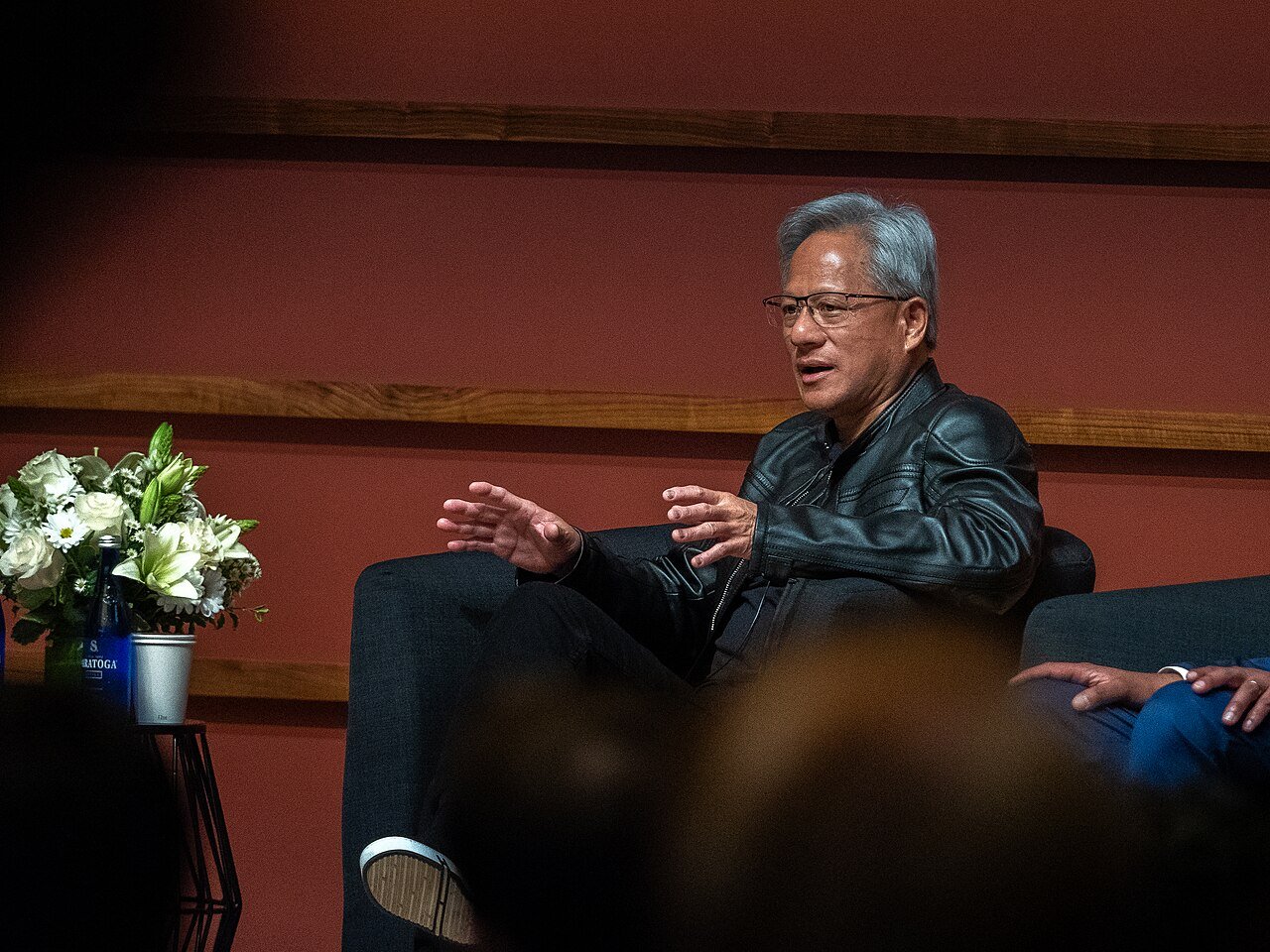
Nvidia reinstated Jensen Huang as president and chief executive officer on Monday, 23 November, bringing the company's co-founder back into the top job following a unanimous board vote. Huang also returns as a director. The Santa Clara-based AI chipmaker said the decision followed meetings with Huang in which the directors assessed his candour and ability to lead. The reinstatement took effect immediately. 1 2
It is a remarkable reversal in the space of a week. Nvidia announced Huang's resignation on 12 November and named its finance chief, Colette Kress, interim chief executive. On 17 November, chairman Harvey Jones said the board did not intend to reinstate Huang. The company has now reached the opposite conclusion without abandoning the independent investigation opened earlier this month. 4 5 1 8
Nvidia attributed part of its decision to consultations with senior levels of the United States government. According to the company's announcement, that input left directors confident Huang's reinstatement posed no national security risk. That is the board's stated assessment of his return, not a public finding that every question surrounding the earlier controversy has been resolved. 1 2
The distinction matters because Nvidia is not ending its inquiry. On 8 November, the company announced an investigation into reporting that Huang had been the target of a foreign intelligence effort, with a committee of independent directors assisted by outside counsel. In the latest announcement, the board said that inquiry would continue to a conclusion, and Huang committed to cooperating with it. 6 1
The board has also created a separate national security and export-control committee, consisting of independent directors, to oversee trade compliance and related risks. Nvidia said it would seek a new chief compliance officer reporting to the board's nominating and corporate governance committee. Those measures place the company's control systems, rather than Huang's personal return alone, at the centre of the next phase. 1
Jones will remain Nvidia's board chairman. Kress, who led the company during the interim period, continues as chief financial officer. In his statement on returning, Huang thanked the directors, Kress and the executive leadership for guiding the company through the disruption, and said he was resuming his responsibilities with renewed commitment. 1 3
Pressure for Huang's return had been visible beyond Nvidia's boardroom. Reuters reported support from employees, investors, business partners and leading figures in Silicon Valley, as well as comments from President Donald Trump favouring his reinstatement. The reported campaign was unusual for the head of a listed company that had so recently announced a change in leadership. It also underscored how strongly Nvidia's identity remains bound to its founder. 2 3 7
Huang co-founded Nvidia in 1993 and oversaw its transformation from a graphics-chip specialist into a key supplier of computing infrastructure for artificial intelligence. That role gives the company's leadership decisions consequences for cloud companies, chip buyers and governments shaping AI industrial policy. The board's challenge is to retain the strategic advantages of founder leadership without allowing continuity at the top to substitute for independent oversight. 2 3
For technology buyers and policymakers in India, the immediate significance is continuity at one of the principal suppliers of advanced AI processors. But Nvidia's announcement did not disclose new India-specific investments, supply commitments or export decisions. Any claim that reinstatement will change access to particular chips or Indian data-centre projects would require additional evidence beyond Monday's personnel announcement. 1 2
The next test is therefore institutional. Nvidia must complete the independent inquiry, establish the promised compliance leadership and show how the new board committee exercises oversight of national security and export controls. Its announcement describes the intended structures but does not yet provide the outcome of the investigation or evidence of how these arrangements will operate in practice. 1 6
Huang's comeback settles the immediate question of who runs Nvidia; it does not settle every question raised by his resignation. A board that publicly rejected reinstatement on 17 November has now approved it unanimously. Investors and industry partners can judge the return as a leadership decision today, while the credibility of Nvidia's broader governance response will depend on what the investigation and new controls deliver. 1 2 5