
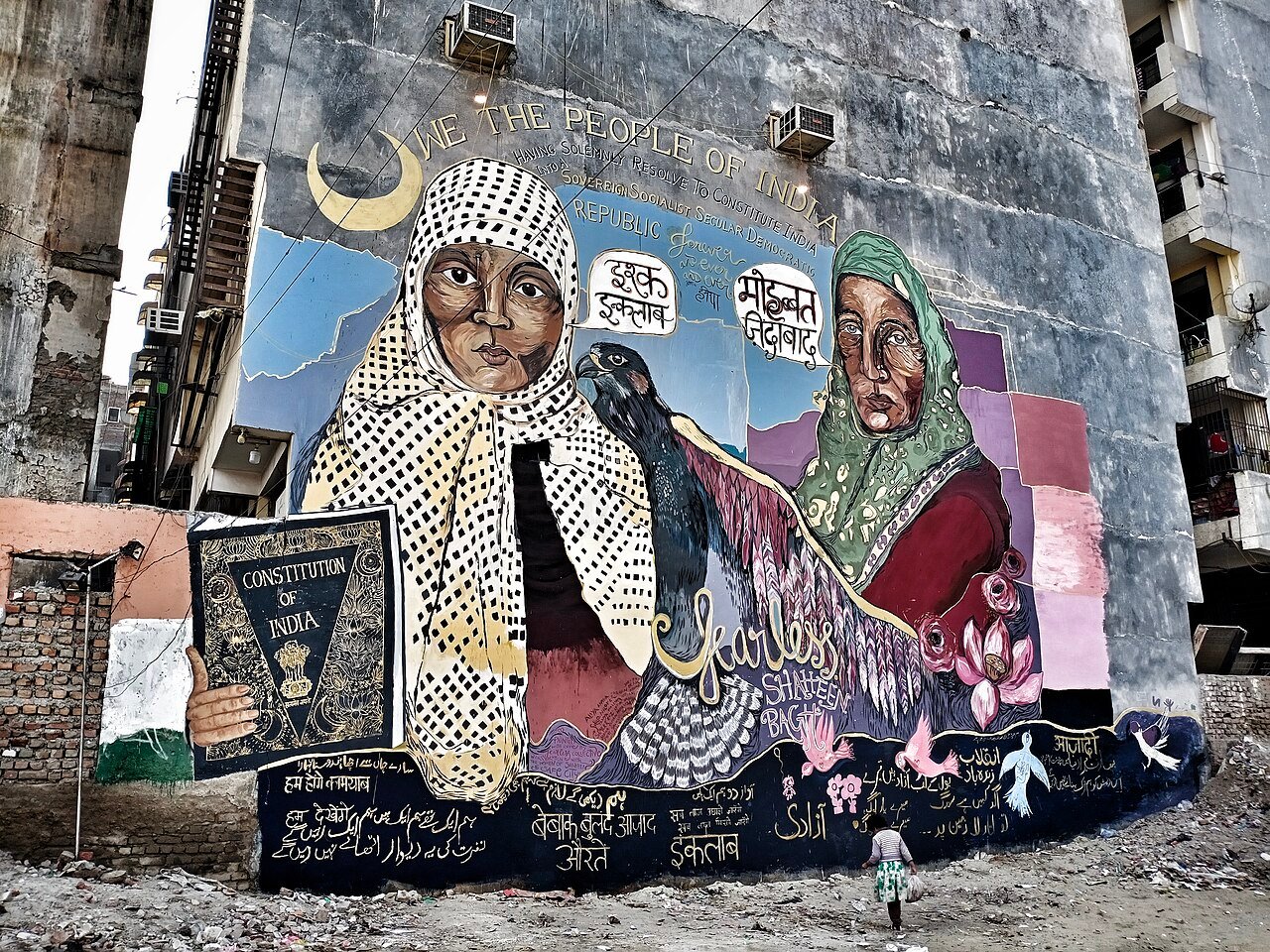
What does freedom mean if people are afraid to speak? What does democracy mean if asking questions can turn you into a target? Our Constitution guarantees every citizen the right to freedom of speech and expression under Article 19(1)(a), subject to reasonable restrictions under Article 19(2).¹ But there is a difference between lawful restrictions and creating an atmosphere where people are afraid to speak. That difference matters, especially in today’s India.
A narrative has increasingly taken hold that questioning the government means being anti-national. Criticise a decision, question a policy or challenge the Prime Minister, and you may find yourself being asked to prove your loyalty to the country.
But when did the government become the country?
An elected government is not India. It is entrusted with running the country and must remain answerable to its people. Questioning it is not disloyalty. It is democracy.
Look at our television debates. How often do we see serious discussions about unemployment, inflation, education or the everyday struggles of ordinary Indians? Too often, these issues are pushed aside by political point-scoring and divisive debates. There are journalists who continue to do brave and important work. But the larger media environment raises serious questions about ownership, political influence, government advertising and self-censorship. When media organisations depend heavily on government advertising or powerful business interests, how freely can they question those in power?
Independent media, particularly on YouTube and social media, has become an important alternative. But even this space is facing growing pressure. We have seen reports of articles and posts being taken down, accounts restricted and entire channels blocked.² Restrictions without adequate transparency or explanation raise serious concerns about censorship. When independent journalists and platforms cannot reach their audiences freely, the public loses access to alternative voices and perspectives. The 2026 World Press Freedom Index by Reporters Without Borders ranked India 157th out of 180 countries.³ This should make us pause and ask whether enough is being done to protect independent journalism.
The pressure extends beyond media organisations. Journalists, activists and citizens who challenge those in power can face legal action, raids and public campaigns to discredit them. Every case has to be judged on its own facts. But the larger impact of such actions cannot be ignored. Gauri Lankesh, an outspoken journalist, was shot dead outside her Bengaluru home in September 2017.⁴ Her murder remains a painful reminder of the risks faced by those who challenge powerful ideas and forces.
Activist Umar Khalid, arrested in September 2020 in connection with the Delhi riots conspiracy case, has spent years in custody without a completed trial. He denies the allegations.⁵ Whatever the charges, prolonged pre-trial detention raises serious questions about due process and the chilling effect it can have on dissent.
And then there are the young people asking questions about their own future. During the 2026 student protests over examination irregularities, students faced violence and police action. Prime Minister Narendra Modi said he wanted to forgive students who had used abusive language against him, describing them as misguided children.⁶
One young protester faced intense public attacks after her remarks circulated widely. Her language was inappropriate and unparliamentary, and she apologised. But if the Prime Minister had called for forgiveness, there was no justification for continuing to target her and her family.⁷
An ecosystem, online and otherwise, has developed in which anyone who raises uncomfortable questions can quickly become a target of abuse and public shaming. The message is clear. Speak up, and you may be next.
Consider Mohammad Junaid, a volunteer who provided free food and water to students protesting at Delhi’s Jantar Mantar. He alleged that police action extended to him and his family because of his involvement in the protest. He later approached the Supreme Court. The allegations have been disputed, but citizens should be able to peacefully support protesters without fear.⁸
A democracy is not defined by elections alone. It also depends on independent media, accountable institutions and citizens who are free to disagree with those in power. We may not agree with everyone or approve of everything said in the name of free speech. But we must defend every citizen’s right to question, criticise and disagree.
Because the danger is not that citizens question their government.
The real danger is when citizens become too afraid to ask.